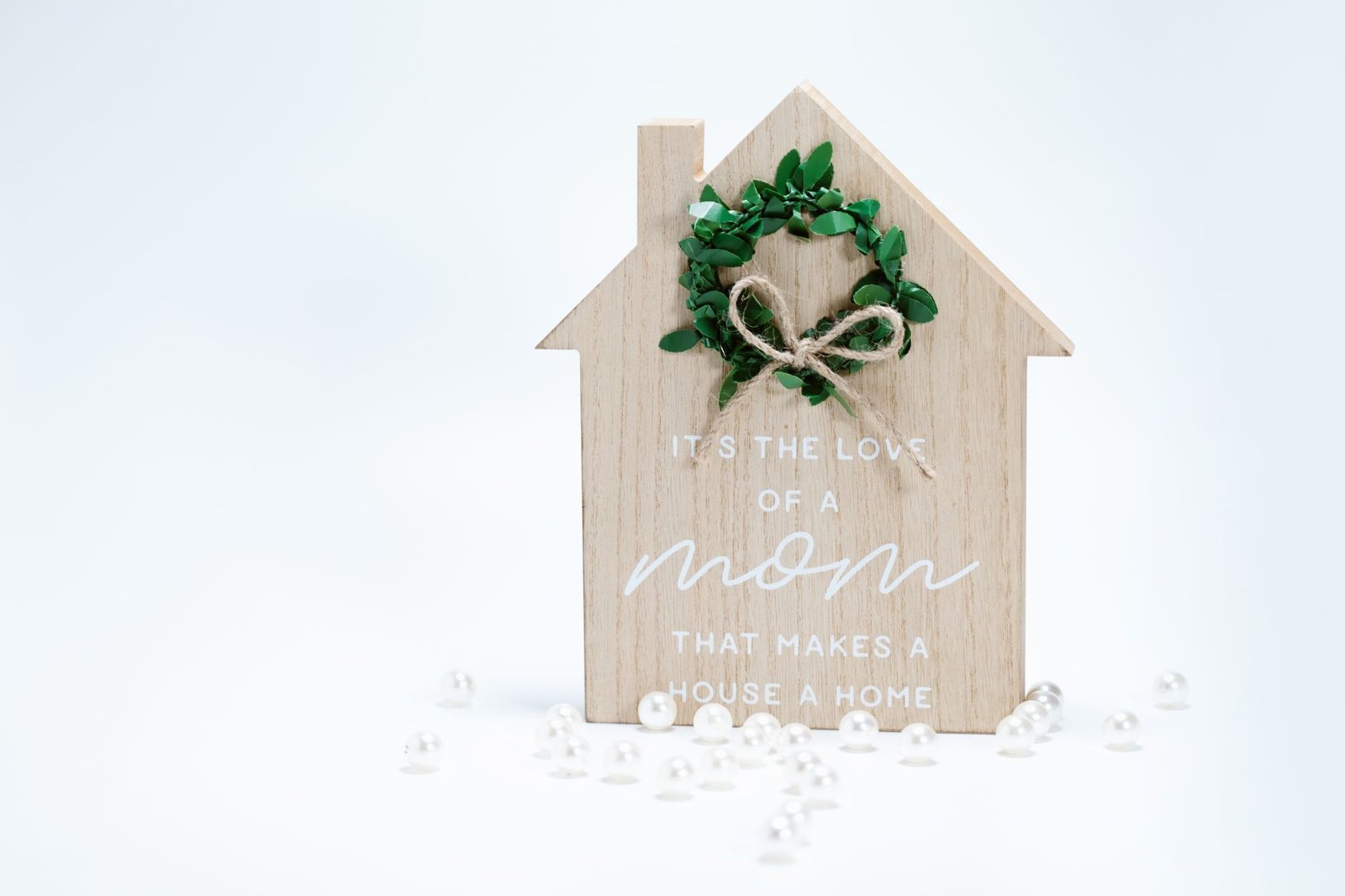
Mother's Day Quotes from Son: 35 Honest Lines That Land Best

mother's day quotes from son can say what you don’t always say out loud. Maybe you’re trying to sound loving without sounding syrupy, or you’re staring at a blank card with five minutes to spare. Here are honest lines, plus the kind of guidance that helps them land properly.
Quick answer: mother's day quotes from son work best when they sound specific, warm, and like you. A short message about her patience, graft, or the way she showed up on ordinary days usually lands better than anything grand. Keep it simple, personal, and true.
1. mother's day quotes from son that sound honest, not overdone
The best mother's day quotes from son don’t try too hard. You’re not writing a speech for a school assembly. You’re trying to say, “I see what you did, and I haven’t forgotten.” That’s the bit that matters.
If you’re tempted to go big and dramatic, pause. Most mums can spot fake sentiment from a mile off. What usually lands is a line about the things she actually did, like checking your lunchbox, sitting through your football matches in the rain, or answering the same daft question three times in a row.
And yes, it can feel awkward. A lot of sons don’t grow up saying much about feelings, so the page looks strange at first. That’s normal. You don’t need to suddenly sound like a poet. You just need to sound like her son.
Try to keep the message anchored in something real. Maybe she used to make you toast before school, or maybe she still rings to ask if you’ve eaten. Those little details do the heavy lifting. They tell her you’ve noticed.
Here’s the trick: use plain words, then let the feeling sit underneath them. “Thanks for always being there” can work, but “Thanks for being the person who never made me feel like a burden” hits harder because it feels lived-in. That’s the difference between generic and memorable.
Sometimes the most moving line is the least polished. “I’m not great at saying this, but I’m grateful for you” can feel more sincere than a dozen flowery lines. It gives the note a human shape. Slightly rough around the edges. Like most real families.
If you want more ideas that sit in the same emotional lane, have a look at Quotes About a Mother's Love and Mother's Love Quotes. They’re useful when you want to keep things warm without slipping into mush.
A quick example. Say your mum used to work nights and still got up to pack your PE kit. A card that says, “You were tired more often than you let on, but you still made everything feel steady” will mean more than a shiny line borrowed from somewhere else. It’s specific. It sounds like memory, not decoration.
That’s why mother's day quotes from son often work best when they sound slightly imperfect. A real son doesn’t always write with perfect polish. He writes with honesty, a bit of awkwardness, and usually some gratitude he’s kept to himself for years. That’s enough.
2. How do you choose the right tone for her?
Start by thinking about your relationship, not the occasion. Are you close and chatty? Keep it light and affectionate. More private? Go simpler, maybe even a bit understated. If your family doesn’t do big emotional declarations, don’t force one now. She’ll feel the strain in it.
The tone changes depending on what your mum’s like, too. Some mums love a heartfelt line that makes them tear up over tea. Others prefer a dry joke, then one sincere sentence at the end. Both approaches can work. Both can fail if they feel copied from somewhere else.
Ask yourself a blunt question: what would she actually smile at? Not what looks nice on Instagram. What would she read twice and keep on the mantelpiece for a week? That answer tells you more than any formula.
There’s also the matter of age and history. A grown son writing after years away from home might need a gentler, more reflective line. A younger son might keep it short and simple. Neither is better. They just sound different because the life behind them is different.
One thing people get wrong: they think a Mother’s Day message has to be grand to count. It doesn’t. “You made our house feel calm even on chaotic days” can carry more weight than a flowery paragraph. It names a real memory. It shows understanding. That’s what lands.
Maybe you’re writing in a card while the kettle boils, or maybe you’re sending a text because you’ve left it late. Either way, tone matters less than honesty. If she’s the sort who notices effort, a few careful words will beat a copied quote every time.
For a different angle, What Makes a Strong Mother? The Honest Answer can help you spot the traits worth thanking her for. And if you’re thinking about the tougher side of motherhood, Quotes About a Mother's Sacrifice gives you more raw, grounded lines.
One more thing. Don’t cram too many ideas into one message. If you try to thank her, joke with her, explain your childhood, and apologise for the bad teenage years all at once, the note gets muddy. Pick one tone and stick to it. That’s cleaner. Easier to read. Easier to feel.
If you want to make something physical, the free quote card maker and original mom quotes can help you turn a simple message into something she’ll actually keep. Useful when you want the words to feel a bit more finished without sounding slick.
3. What should a son say when he wants it to feel personal?
Say the thing she’d recognise as yours. That might be a memory, a habit, a joke, or one of those tiny routines nobody else would understand. Personal quotes work because they point to shared life, not just shared DNA. That’s why they feel closer, and usually kinder.
You don’t need a perfect sentence. You need one truthful detail. Maybe she always knew when you were lying because you wouldn’t meet her eye. Maybe she still calls you “love” when she’s cross. Maybe she held the family together during a messy patch when money was tight and nobody had the energy to explain it properly.
Personal doesn’t mean over-explained. In fact, too much detail can blunt the feeling. Keep the line sharp. “You taught me how to keep going without making a song and dance about it” says a lot in a small space. That’s often stronger than a long paragraph full of nice-sounding filler.
And don’t ignore the everyday stuff. Real gratitude usually lives there. The packed lunches. The late lifts. The quiet rides home after school when nobody talked much, but she still turned the radio down because she knew you were tired. Those are the details that make mother's day quotes from son feel lived-in rather than borrowed.
Here’s a practical example. Imagine you’re texting from the train because you forgot to post a card. You could send, “Happy Mother’s Day, Mum. Thanks for being the person who always made the hard bits feel less hard.” That’s short, but it works. If you want to go a bit further, add one detail: “I still think about all those Saturday mornings when you dragged me to matches before I’d even fully woken up.” Now she’s got a picture.
Maybe your family isn’t sentimental at all. Fine. Keep the note grounded. “You’ve always had my back, even when I was being a pain” can land beautifully if that’s how you talk at home. Slightly blunt. A bit cheeky. Still warm underneath.
If you’re stuck, write three things only: what she did, what it meant, and why you still remember it. That’s enough structure for most people. It stops you wandering into vague territory. It also keeps the message from sounding copied off a greeting card aisle shelf.
Sometimes the best personal touch is restraint. One line. One memory. One honest thanks. That’s it. No need to pack in every thought you’ve ever had about her. If you’re writing for a card, a text, or a social post, a short message with one real detail usually beats a polished wall of words. Every time, almost.
So if you’re choosing between clever and true, choose true. A son’s message doesn’t have to be lyrical to matter. It just has to sound like it came from the right person. And when it does, she’ll know.
What makes a son’s message feel like it actually came from him?
The best messages sound like a real son wrote them, not a card shop copywriter. Keep the feeling plain, specific and a bit imperfect. If you’d say it out loud over tea, write that. If you’d never say “you mean the world to me” in real life, don’t force it. That’s usually where messages go flat.
Think about what she’d recognise straight away. Maybe it’s your habit of leaving things to the last minute, your dry humour, or the way you always thank her for Sunday roast even when the potatoes were a bit soft. Those details do the heavy lifting. They turn a decent line into something she’ll keep.
People often worry that honest means boring. It doesn’t. Honest can be warm, funny, grateful, even a little awkward, and that’s often what makes it land. A short line like, “You’ve put up with my nonsense for years, and somehow you still answer the phone,” says more than a polished sentence ever could.
And don’t over-edit the life out of it. A message with one small wobble can feel more believable than something perfectly balanced. If you’re writing from a son’s point of view, your own voice matters more than perfect wording.
There’s also the practical side. If the card already has a sentimental picture on the front, you don’t need to pile on more softness inside. A simple note works better. If the card is plain, you can carry more feeling in the message itself. The trick is matching the words to the object in your hand, not to some imaginary standard.
For example, you might write, “Happy Mother’s Day, Mum. I don’t say it enough, but I notice everything you do, and I’m grateful for all the times you’ve backed me, even when I’ve made it difficult.” That feels human. No glitter. No grand speech. Just a son saying what’s true.
In practice, the biggest mistake is trying to sound impressive instead of sounding like yourself.
Should you make it funny, warm, or somewhere in between?
That depends on your relationship, and on what she’d actually enjoy reading. Some mums want a laugh. Some want a proper thank you. Some like a bit of both, especially if you’ve always used jokes to show affection. If you usually tease each other, a clean, affectionate joke can work beautifully. If your family isn’t like that, forcing banter can feel awkward.
Picture a Tuesday afternoon, standing in Tesco with a card in your hand and your phone buzzing because you’ve nearly forgotten flowers. That’s the level of real life you’re writing for. You don’t need a speech. You need a line that fits the way you two speak. Short can be better here, because it keeps the feeling clear.
One common mistake is making the joke bigger than the sentiment. If the whole message becomes a gag, she may laugh, but she might not feel thanked. Keep the humour light and let the gratitude sit underneath. That balance matters more than people think.
For a lot of sons, the sweet spot sits somewhere between dry and affectionate. Something like, “Happy Mother’s Day, Mum. You’ve had to tolerate me for years, which deserves a medal, but mostly it deserves thanks.” That sort of line works because it sounds lived-in. It also gives her both a smile and the real message.
If you’re unsure, read the line as though she’s standing in the kitchen behind you. Would you cringe? Would she smile? That little test catches a lot of overdone writing. And if you’d never say it out loud, you probably shouldn’t put it in the card either.
Concrete example: “Happy Mother’s Day, Mum. You’ve laughed at my bad jokes, fed me well, and kept me going more times than I can count. I’m lucky you’re my mum, even if I don’t always say it properly.”
How personal should you get without oversharing?
Personal doesn’t mean revealing every messy detail from family life. It means choosing one or two real things she’ll instantly recognise. A memory, a habit, a small thank you. That’s usually enough. If you try to cram in every emotion you’ve ever had, the message starts sounding heavy and overworked.
Ask yourself what she’d spot as unmistakably yours. Maybe it’s the way she always made packed lunches, even when she was exhausted. Maybe it’s the lift she gave you to football training in the rain. Those small specifics matter because they come from life, not a template. You’re not trying to impress her. You’re trying to remind her that you noticed.
There’s a fine line between personal and too private. A card on Mother’s Day isn’t the place to open every old wound or family row. If the relationship has been difficult, keep it respectful and simple. You can be honest without dragging the whole history into it. That restraint often says more.
Common misconception: people think personal writing has to be long. It doesn’t. Sometimes one well-chosen detail does the job. “Thanks for every early lift, every forgotten jumper you found, and every time you sorted things when I was useless” carries a lot of weight because it feels specific and ordinary.
And ordinary is the point. The Tuesday-morning chaos, the last-minute school run, the plate left on the side after she’d already done too much. Those are the details that make a son’s message feel lived-in. You don’t need grand language. You need one small truth that belongs to your family.
If you’re stuck, think in scenes. Not feelings first, scenes first. What does she remember? What do you remember? Once you’ve got that, the words usually come quicker. One tiny memory can open the whole note.
Concrete example: “Happy Mother’s Day, Mum. I still remember you standing outside football in the cold every Saturday, pretending not to mind. You did a lot more for me than I probably realised at the time, and I’m grateful for it now.”
Keep it specific enough that your mum can hear your voice in it. A tiny family detail often lands harder than a polished line, because it tells her you were paying attention.
What if the relationship is close, complicated, or just hard to sum up?
Then keep the message simple and steady. You don’t need to solve the relationship in one card, and you definitely don’t need to write something that pretends everything has always been easy. If things are close, say so plainly. If they’re complicated, stay kind and careful. That’s usually the best route.
Sometimes sons worry that a straightforward message sounds too small for the day. It doesn’t. A clean line of appreciation can carry a lot, especially if your relationship has its own history. You’re not writing a speech for a wedding. You’re writing a note for Mother’s Day, and that changes the job completely.
If you’re close, you can be affectionate without getting syrupy. If you’re not the type to gush, don’t start now. A line like, “Thanks for always being there, and for putting up with me at my worst,” sounds believable because it doesn’t pretend life has been perfect. It gives warmth without strain.
And if your relationship has had rough patches, be careful with anything that sounds like a test or an apology wrapped in a card. You can be respectful, grateful and calm all at once. That often lands better than trying to pack in too much emotion. A small, sincere message leaves room for the rest of the relationship to stay what it is.
The hard bit is knowing what not to say. Avoid lines that reopen old arguments, make promises you can’t keep, or try to fix everything at once. A Mother’s Day card can acknowledge the bond without pretending the bond has always been tidy. Most families aren’t tidy. Not really.
Concrete example: “Happy Mother’s Day, Mum. We don’t always say things well in our family, but I want you to know I’m grateful for you and everything you’ve done. That hasn’t gone unnoticed.”
Some days, that’s enough. One honest message. One clear line. And if it sounds like you, she’ll feel that straight away.
Frequently asked questions
What do you write in a Mother’s Day card from a son?
Keep it simple and real. A good card message usually says thank you, names something specific she’s done, and adds one warm line about what she means to you. If you’re stuck, think of the small stuff, school runs, packed lunches, late-night lifts, or the way she always checked you got home. That’s where the feeling lives.
Should a Mother’s Day quote from a son be funny or sentimental?
Either works, and sometimes a mix lands best. If your mum likes a laugh, a light joke can feel more natural than something syrupy. If she’s sentimental, go softer. The trick is matching her style, not forcing yours. A line that sounds like you’ll always beat a fancy message that feels borrowed from somewhere else.
How long should a Mother’s Day message from a son be?
Short usually wins. You don’t need a long speech unless that’s genuinely how you write. Two or three honest sentences can mean more than a full paragraph of big claims. If you’re writing in a card, keep it tight. If it’s a text, even one good line can do the job properly.
Can I use a quote from my own memory instead of a famous saying?
Yes, and that often works better. A message based on something real, like a phrase your mum always says or a memory from a day out, feels warmer and more personal. If you remember the smell of her Sunday roast or the way she cheered you on at football, use that. Specific details beat generic sentiment every time.
What if I’m not good at writing emotional messages?
Then don’t try to sound like someone else. Just say thank you, say what she’s done for you, and keep the wording plain. People often think a good Mother’s Day message needs to sound poetic, but it really doesn’t. Honest, slightly awkward, and real often lands better than polished lines that don’t sound like you.
Final thoughts
When you’re picking mother's day quotes from son, focus on three things, honesty, fit, and a detail she’ll recognise as yours. A message works best when it sounds natural, matches her sense of humour or warmth, and names something real she’s done for you. That’s what sticks.
So choose one line, trim the fluff, and make it sound like your voice. If you want, write two versions in your notes, one funny and one more sincere, then read them out loud and keep the one that feels closest to how you’d actually say it.