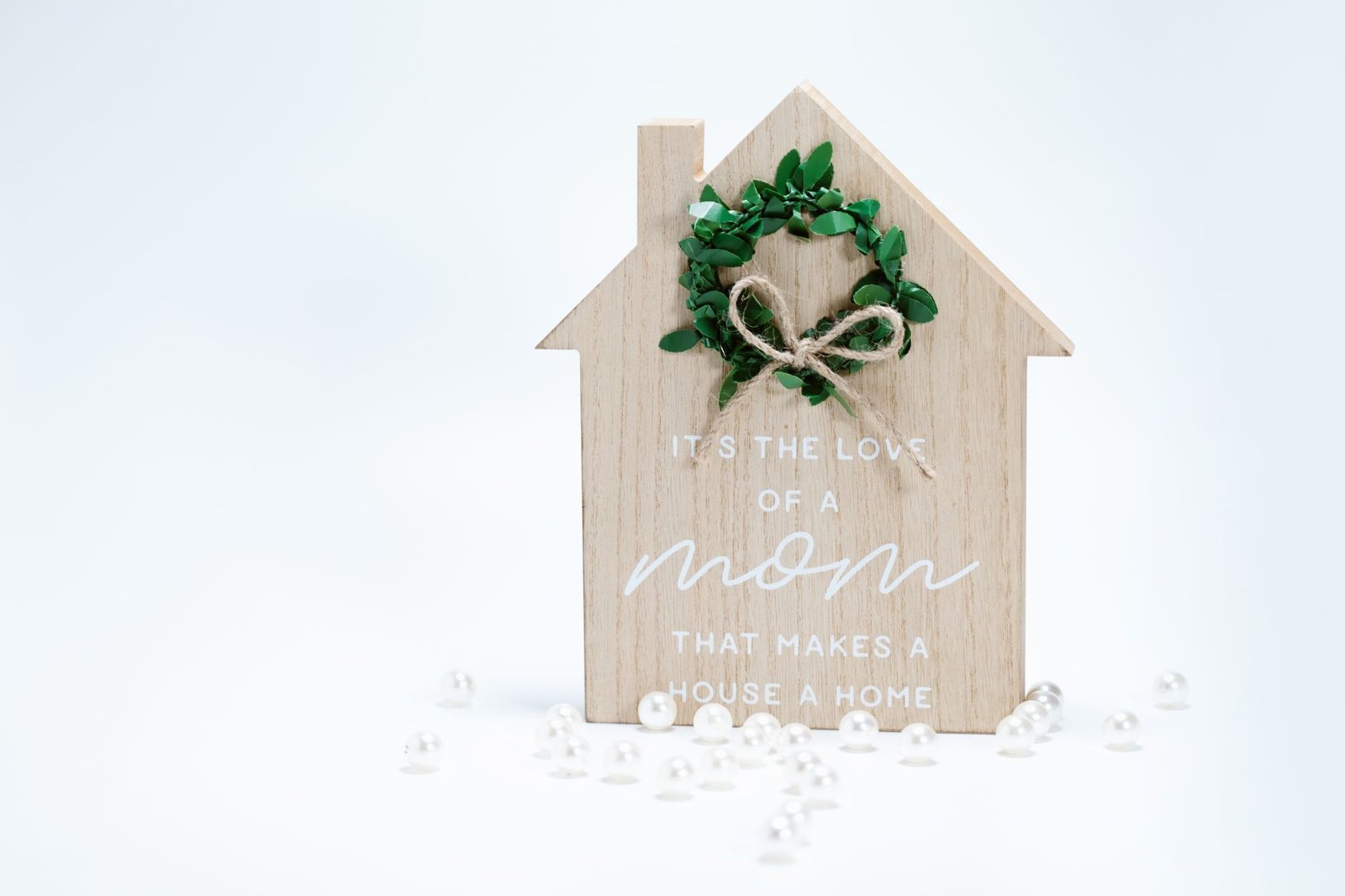
Mother's Day Quotes from Daughter: 35 Beautiful Lines

mother's day quotes from daughter can say what you sometimes can’t. You might want something warm, but not syrupy, and short enough to fit in a card without sounding forced. This guide gives you 35 lines, plus ways to pick the right one for your mum and your message.
Quick answer: mother's day quotes from daughter work best when they sound honest, specific and a bit personal. Choose one that matches your mum’s style, whether that’s gentle, funny, grateful or quietly loving. The best line is usually the one that sounds like you’d actually say it.
1. Which mother's day quotes from daughter sound most natural in a card?
The best mother's day quotes from daughter sound like they came from you, not from a gift shop rack. If your mum hates anything too sugary, keep it plain. If she loves warmth and a bit of sentiment, lean into that. Simple usually wins. A card doesn’t need to sound polished, it needs to sound real.
People often get stuck because they think the line has to be clever. It doesn’t. The pressure comes from wanting to get it right, especially if you’re writing on a Sunday morning with coffee going cold and the card still blank on the kitchen table. That’s when everyone starts overthinking every word.
What works best? A line that feels specific enough to matter, but not so detailed that it turns into a speech. You’re not writing a wedding toast. You’re writing something your mum can read quickly and feel, right there in the moment.
And yes, a short quote can be better than a long one. “You made my childhood feel safe” says far more than a chunky paragraph with too many adjectives. Short lines land harder when the feeling is strong.
What your mum’s personality tells you
If your mum’s the type who rolls her eyes at big emotional displays, keep it grounded. Try lines that focus on gratitude, strength or the steady things she’s done over the years. “Thanks for showing up when it mattered most” feels calmer than “You’re my entire world”, and that matters if she prefers quiet affection.
If she loves a proper tear-jerker, go softer. Lines about comfort, home, patience and love usually work well. The trick is to picture her reading it at the kitchen counter, not on a quote board. Would she smile, laugh, or sniff quietly and fold the card into her handbag? That answer tells you a lot.
For mums who enjoy humour, keep the joke gentle. A light line about surviving teenage drama or endless texts can work, but only if it still sounds affectionate. No one wants a Mother’s Day card that feels like a sitcom punchline.
Here’s the bit people miss: the strongest lines often sound ordinary. “You’ve always been there for me” might seem too simple, but if that’s true in your family, it carries weight. Ordinary can be exactly right.
Why specific words matter more than fancy ones
Specific words bring the card to life. “Thank you for the school runs, the late-night chats and the way you always noticed” feels human because it points to real life. That’s very different from saying “Thank you for everything”, which can sound vague even when it’s meant well.
Think about what your mum actually does. Maybe she texts to ask if you got home safe. Maybe she remembers your favourite biscuits. Maybe she helped when your flat flooded and turned up with tea towels and very practical opinions. Those details make a quote feel properly yours.
You can also pair a quote with a tiny note underneath. “You’ve always made life softer” works well beside a line like “Love you loads, Mum.” The first line carries the feeling, the second sounds like you.
On our free quote card maker and original mom quotes page, you’ll find more ways to turn a short line into something that actually looks nice on a card or image. Handy if you want the words sorted without faffing about for an hour.
A few quotes that sound natural straight away
Try these if you want something that doesn’t sound forced:
- You’ve always been my safe place.
- Thank you for loving me so well.
- I got my strength from you.
- You made ordinary days feel special.
- Home has always meant you.
These work because they’re clear. No fancy wording, no theatrical nonsense. Just real feeling in a small space.
Suppose you’re writing from a daughter who lives miles away and only sees her mum every few months. “Even from far away, you still feel close” says something honest without dragging the mood down. That’s the sweet spot. Direct, warm, believable.
And if you’re feeling stuck, read the card out loud. If you wouldn’t say it to your mum over a cup of tea, don’t print it. That test saves a lot of awkward wording.
2. How do you make a message feel personal instead of generic?
Start with one real memory. Not a perfect one, just a true one. Maybe it’s the way your mum sat up with you when you had a fever, or how she always packed your lunch with an extra biscuit tucked in the corner. That tiny detail turns mother's day quotes from daughter into something personal.
Generic lines fail because they could belong to anyone. Real life doesn’t work like that. Your mum isn’t a stock photo, and your relationship probably has its own language, little jokes, and habits that no stranger would know. Use that.
You don’t need a full life story. One small thing is enough. “Thanks for every early school morning” tells a different story from “Thanks for always believing in me”, and both can work depending on what your mum means to you.
People often think personal means complicated. It usually means simpler and more honest. The hard part is choosing what to leave out. Because if you try to mention every birthday, every holiday and every hard patch, the message turns clunky fast.
Start with a moment, not a slogan
Ask yourself, what do I actually remember? Maybe it’s her standing in the doorway in her coat, telling you not to panic before an exam. Maybe it’s the smell of her cooking after a long day. Or the way she knew you were upset before you said a word. That’s the material that sticks.
A daughter writing from Birmingham to a mum in Devon might use a line like, “You still feel close, even when we’re miles apart.” That’s simple, but it says something real about distance, love and the odd ache of family life. It doesn’t need polishing.
If your relationship is more complicated, keep the message honest without forcing a neat ending. Not every mother-daughter bond is picture-perfect. Some are warm and close, some are repaired over time, and some are loving in a quieter way. You can still write a kind card without pretending everything has been easy.
That honesty matters. People can feel when you’ve written around the truth.
Words that sound personal without oversharing
Try naming the thing she did, then the feeling it left you with. “You answered every late-night call and made me feel less alone” says a lot in a small space. So does, “You turned chaos into something manageable.” Those lines sound like they belong to a real household, not a template.
When people ask for help with mother's day quotes from daughter, they usually want something lovely but not over the top. That’s fair. You can keep it measured and still make it heartfelt. In fact, restraint often makes the message stronger.
Use plain language. “You helped me through hard weeks” works better than a string of grand phrases. “You always know how to calm me down” feels more human than “Your presence is a soothing balm”, which sounds like you found it on a candle label.
If you want a quick cheat, write down three words that describe your mum, then build from there. Maybe yours are steady, funny and kind. Maybe they’re patient, practical and fierce. Those words give you a direction without turning the whole thing into homework.
A Tuesday afternoon example that makes it clearer
Picture this. You’re in a queue at the post office on a Tuesday, holding a card you bought five minutes ago because you forgot Mother’s Day was close. You’ve got 40 seconds to write something that doesn’t sound half-baked. That’s when a personal line saves you.
You might write, “Thanks for every call, every lift, and every time you knew I needed cheering up before I said a word.” That sounds like a daughter who knows her mum’s habits and appreciates them. It’s not glossy. It’s real.
Or maybe your mum’s the one who kept the family going when money was tight. Then a line like, “You made a lot look easier than it was” lands with quiet power. You’re not pretending the hard bits didn’t happen. You’re naming them gently.
If you’re sending the card by post, that one sentence has to do a lot of work. No pressure, then. But you can do this by staying close to one memory or one trait. That’s enough.
How to keep it from sounding copied
Don’t stack too many adjectives. “Amazing, wonderful, lovely, kind” starts to blur. Pick one or two and back them up with a reason. “Kind, because you always made room for me at the end of a hard day” sounds far better.
Also, don’t be afraid of ordinary words. “Mum, you’ve always been there” feels steady and sincere. “Mum, you’ve always been there with a cup of tea and a proper chat” feels even better because it gives the reader a scene they can picture.
That’s the trick, really. Make her see it. Make her feel it. Then stop before you overwrite it.
3. What should you write if your mum isn’t sentimental?
Keep it short, warm and clean. If your mum hates fuss, don’t pile on the emotion and expect it to land well. A direct line often works better than a big declaration, especially when you know she’d rather have a proper cuppa than a dramatic speech. Some of the best mother's day quotes from daughter are the plainest ones.
People sometimes assume less sentimental means less loving. That’s not true at all. Some mums show love through practicality, sarcasm, lifts to the station and remembering which tea you drink. Your card should fit that style, not fight it.
So, what do you write? Say thank you. Mention strength. Keep the tone natural. “Thanks for putting up with me” can work if that kind of banter fits your relationship. “You’ve always been my rock” is more familiar, but it still feels honest if your mum likes simple words.
And if she’s truly not one for emotion, a line that sounds like everyday speech usually wins. No flower petals needed. No grand speeches. Just something she’d recognise as yours.
Plain speaking beats forced emotion
A lot of daughters try too hard here. They worry the card won’t seem special unless it sounds poetic. But if your mum values honesty, then plain speaking is the thoughtful choice. “Thanks for everything you’ve done for me” can feel stronger than ten fancy lines strung together.
Maybe your mum’s the practical sort who likes her cards with a laugh. Then a line like, “Thanks for surviving my teenage years” might get a smile. It’s playful without being rude, and it still says you appreciate her. That balance matters.
If she’s not openly affectionate, avoid anything that puts her on the spot. You know the feeling. Some mums would hug you through tears; others would read the card, say “Lovely,” and put the kettle on. Both are fine. Write for the real woman, not the ideal version.
You can also keep the message tiny and let the card do the rest. A good quote plus your name is enough. Especially if your relationship already carries the meaning and you don’t need to spell every bit of it out.
Examples that fit a low-key mum
Try these if your mum prefers straight talking:
- Thanks for always being in my corner.
- You’ve done more for me than I can say.
- You make hard days feel manageable.
- Love you, even if I don’t say it enough.
- You’ve always been the steady one.
These lines work because they don’t try to perform. They speak plainly. If your mum’s the sort who blushes at big emotions, she’ll probably prefer that.
Here’s a practical test. Read the line aloud and imagine her face. If you can picture her smiling and saying, “That’s more like it,” you’re close. If it sounds like something she’d tease you about, trim it down.
For a daughter writing after a rough year, a simple note can carry a lot. Maybe your mum helped with childcare, checked in every week, or turned up with groceries when you were worn out. A line like “You’ve been a constant when things felt messy” speaks volumes without getting too heavy. That’s often enough.
If you need more ideas later, you can pair this kind of message with our mom quotes from daughter collection or browse quotes about the mother-daughter bond for a different tone. Both can help when you know the feeling but can’t quite find the sentence.
And if your mum’s the practical one who fixes the boiler, labels the freezer and remembers everyone’s doctor appointment, say that. Not in a clumsy list, just enough for her to see herself in it. That’s where a card stops sounding generic and starts sounding like love.
How do you keep a Mother’s Day message warm without sounding overdone?
Keep it plain, specific and a touch imperfect. That usually lands better than a polished speech that sounds copied from a greetings card aisle. You’re aiming for warmth, not performance. A line like “You’ve always backed me, even when I was moody, broke or wrong” feels far more alive than something syrupy and vague. If it sounds like something you’d actually say out loud, you’re on the right track.
The trouble starts when you try too hard. People often pile on words because they’re nervous, then the message turns stiff and a bit sugary, like it’s wearing someone else’s coat. Shorter lines usually breathe better. “Thanks for being my calm place” does more work than a paragraph of glittery clichés, especially if your relationship with your mum is close but not overly emotional.
And don’t worry about sounding flawless. A small rough edge can make the whole thing feel real. If your mum has been the one who picked you up after a rubbish breakup, waited in the car during swimming lessons, or still sends you home with random leftovers, name that everyday care. That’s where the feeling sits. Not in a grand declaration. In the ordinary bits she’s carried for years.
What actually works in a card
Think in moments, not slogans. What do you remember from your life with her? The school run in pouring rain, the texts that arrive just when you need them, the way she makes a cup of tea without asking how you take it because she already knows. Those details do the heavy lifting. They tell her, quietly, that you’ve noticed.
If you’re worried the message sounds too blunt, soften it with gratitude. “You’ve never made a fuss, but you’ve done so much” has a lovely balance to it. It’s honest and affectionate. That matters more than sounding poetic. Most mums don’t want a speech from a film. They want to know you see the late-night worry, the endless patience and the little things that kept the family running.
Some daughters feel stuck because their relationship with Mum isn’t neatly sentimental. Fair enough. Not every bond looks soft and easy from the outside. But even then, you can still write with care. Try appreciation instead of gush. Try respect instead of drama. “You’ve always been steady, even when I wasn’t” can carry a lot without forcing the tone. It’s direct. It feels adult. And it gives her something real to hold onto.
One thing people often forget is how much the rhythm matters. A card message doesn’t need to be long to feel thoughtful. Two or three short sentences can sound far more heartfelt than a rambling paragraph. Read it aloud. If you trip over your own words, it probably needs trimming. If it sounds like you after a glass of wine and a long chat, you’re close.
Example: “Happy Mother’s Day, Mum. You’ve always known when I needed a push and when I needed a cuddle, and I’m still grateful for both. I don’t say it enough, but I love you loads.”
That works because it sounds like a daughter speaking, not a card machine. A bit affectionate, a bit ordinary, and properly personal.
What do you write when you want the message to sound grown-up?
Say thank you in a way that feels adult, not childlike. That doesn’t mean cold. It means choosing words that show respect, memory and appreciation without leaning on babyish affection if that’s not your style. If you and your mum now have a more equal relationship, your note can reflect that. Keep it steady, honest and warm. That balance tends to feel more natural for a grown daughter.
This is where many people get stuck. They still want to show love, but they don’t want to sound like they’re eight years old again. Fair enough. You can thank her for the things that shaped you, the advice that still sticks, or the way she showed up when life was messy. A simple line about her being your example, your anchor or your first phone call can carry real weight without sounding overblown.
It helps to avoid trying to sound “clever”. A fancy phrase can flatten the feeling. Plain words usually do a better job. “You taught me how to get on with things” has a proper human ring to it. So does “I’ve always known I could ring you if things went wrong.” Those lines work because they point to actual behaviour, not an abstract idea of motherhood.
There’s also room for a bit of texture here. Maybe your mum isn’t a big hugger, but she shows love by sorting forms, reminding you about dentist appointments or turning up with a roast when you’ve had a bad week. Say that. Adult appreciation often lands best when it notices service, loyalty and quiet care. That’s not less loving. If anything, it’s often more honest.
Writing for a relationship that’s changed over time
Sometimes your relationship with your mum has shifted. Maybe you argued more in your teens, then settled into something calmer. Maybe you only understood her effort once you had your own job, your own bills, your own packed calendar. That happens to plenty of daughters. A Mother’s Day message can reflect that change without getting heavy. “I didn’t always see it, but I do now” is simple and strong.
And if your family has had a hard few years, don’t pretend everything is perfect. You can still write kindly without rewriting history. Honest gratitude often feels more respectful than pretending the past was easy. A message like “We’ve both had to muddle through a lot, and I’m glad you’ve been there” sounds grounded. It doesn’t overshare. It just tells the truth in a gentle way.
Another useful trick is to focus on what she gave you, not what she lacked. That keeps the message from sounding like a complaint in disguise. You don’t need to catalogue every sacrifice. Pick one or two things that matter. Maybe she taught you to keep going when work was rubbish, or she was the one who never let family drama swallow the whole house. Specifics make the note feel grown-up because they show memory, not just sentiment.
If you’re writing in a card, remember the physical space matters too. A tight scribble in the margin can look rushed, while a neat short paragraph feels calmer. You don’t need to fill every line. In fact, an uncluttered message can look more thoughtful than a page crammed with mush. Leave some white space. Let the words breathe.
Example: “Happy Mother’s Day, Mum. I know I’ve said this more properly as I’ve got older, but thank you for everything you’ve given me, especially your patience, your honesty and your constant support. I’ve grown into the kind of woman I am because of you.”
That message sounds adult because it recognises history, effort and influence without turning into a speech. It feels like something a daughter would genuinely write after sitting at the kitchen table with a pen and a cuppa.
A card lands best when it sounds like you’ve paused for ten seconds and meant every word, not like you’ve emptied a quote website into a template.
Can you use humour, or does that spoil the sentiment?
Yes, you can use humour, if it sounds like your relationship. A bit of teasing can make the message feel more like you and less like a shop-bought script. The trick is to keep it affectionate. If your mum laughs at the same family stories every year, that’s a good sign you can include one. Just don’t turn the card into a roast. It still needs a warm centre.
Humour works best when it’s local and familiar. Think of the things only your mum would recognise, like her fierce dislike of cold gravy, the way she still calls you by your childhood nickname when you’ve had a bad day, or the fact that she can spot a bad mood before you’ve even spoken. Those details do more than a joke. They make the message feel shared. That’s the real aim.
But if your mum doesn’t enjoy being teased, don’t force it. Some mothers love a cheeky line. Others hate being the punchline, even gently. You know which camp she’s in. If you’re not sure, stay with gratitude and keep the humour to a tiny nudge. A light touch can sit nicely beside sincerity. Too much, though, and the message loses its heart.
Keeping the tone playful without tipping into sarcasm
Sarcasm can misfire on paper. Without your voice, your smile and the look you’d normally give her across the table, a joke can read as sharp. That’s especially true in a card, where the words have to do all the work on their own. So keep it obvious. If the line could be taken the wrong way by a tired person on a Sunday morning, leave it out.
A better route is affectionate teasing. “Thanks for pretending not to notice all the times I was impossible” has a smile in it, but it doesn’t bite. Neither does “You’ve put up with me for years, so clearly you deserve a medal and a long sit-down.” Those lines keep the tone light while still recognising her effort. They sound human because they admit a bit of family chaos.
This can be especially handy if your family is not especially sentimental. A joking line may feel more natural than a long emotional note. Maybe your mum prefers to be praised through humour rather than serious declarations. Fine. Use that. The point of a Mother’s Day message isn’t to sound like everyone else’s. It’s to sound like your actual family, with its own habits, shorthand and private jokes.
If you want to blend humour with warmth, anchor the joke in something true. That’s what makes it work. “Thanks for all the lifts, the snacks and pretending you didn’t know I’d borrowed your cardigan” lands because it’s recognisable. It’s ordinary life. Tuesday afternoon stuff. And ordinary life is often where the best affection lives.
Example: “Happy Mother’s Day, Mum. You’ve put up with my chaos, my attitude and my terrible phone habits for years, so I think a card barely covers it. Still, I’m grateful for you every single day and I love you loads.”
That’s playful, but it doesn’t stray into mockery. It sounds like a daughter who knows exactly how much her mum has done, and can laugh about it without making light of it.
How do you choose a message that still sounds right when your mum isn’t the sentimental type?
If your mum rolls her eyes at anything too mushy, don’t fight her nature. Pick words that sound steady, warm and plainspoken, with maybe a tiny flicker of feeling at the end. That usually lands better than a big emotional speech. Think “thank you for everything you do” rather than “you are the sun in my sky”. A message can still be loving without dripping with sentiment. In fact, for plenty of mums, that restraint feels more sincere.
The easiest mistake is to write for the idea of a mum, not your mum. If she laughs at florid cards and gets on with the job, your message should do the same. You’re not trying to perform emotion. You’re trying to sound like her daughter, which means honest, familiar and a bit unpolished.
Keep it grounded, not sugary
Short, clear lines often work best. “Thanks for being the one I can always call” feels lived-in. So does “You’ve got me through more than you know” or “You’ve always made ordinary days better.” These aren’t showy. They sound like something you’d actually say while handing over flowers and a supermarket card on a Sunday morning.
Where people go wrong is adding too many soft-focus words. “Forever”, “angel”, “my everything”, they can make a practical mum feel awkward. If she’s the sort who’d rather hear about the coffee you’re bringing round than read a paragraph about destiny, keep the message tidy. One honest sentence beats three overworked ones.
And don’t underestimate humour if that fits your family. A dry line like “Thanks for putting up with me from birth onwards” can be warmer than a polished tribute. The trick is tone. You want a smile, not a wince.
Use the kind of praise she’d actually accept
Most mums don’t want to be spoken to like a film character. They’d rather hear you notice the things they really did. That might be all the lifts to football training, the packed lunches, the school runs, the phone calls when you were having a rubbish week, or the way she still texts to ask if you got home safe.
Specificity makes a message feel real, even when the wording stays simple. “Thanks for always checking I’ve eaten” says more than “Thanks for your love”. “You’ve never let me face things alone” sounds stronger than “You are amazing”. It’s not about being grand. It’s about being accurate.
If you’re stuck, ask yourself what she’d recognise instantly. Maybe she always had the kettle on. Maybe she still does. Maybe she’s the one who sorts out the family admin nobody else notices. Build the message around that. The detail does the work.
Avoid the line that sounds copied and pasted
You can spot a generic card message a mile off. It usually stacks up safe phrases, one after another, and ends up saying very little. “Happy Mother’s Day to the best mum in the world. Thanks for everything you do. Love always.” Fine, but forgettable. There’s nothing wrong with plain words, yet they need a personal edge.
Try anchoring the message in a shared habit or memory. “Still grateful for all those bedtime pep talks” feels lived-in. “You were right about that haircut, by the way” is playful and specific. Or “I know I didn’t always make it easy, but you never stopped showing up” has real weight without sounding theatrical.
Because here’s the truth: if your mum isn’t sentimental, she’ll usually spot fake warmth faster than anyone else. Better to write less and mean it properly.
Practical example: say your mum prefers practical gifts and doesn’t cry over cards. You could write, “Happy Mother’s Day, Mum. Thanks for being the person who kept everything going, even when I was impossible. I still notice it. Love you.” That message feels direct, affectionate and believable. No velvet words. No over-egging it. Just enough heart to matter.
What makes a daughter’s Mother’s Day message feel personal instead of generic?
A personal message sounds like it could only have come from you. It mentions your mum’s habits, your shared history, or the little things she does that nobody else sees. Generic messages lean on broad praise and familiar card-shop language. Personal messages use real detail. That’s the difference. You don’t need a dramatic memory from childhood, either. Often the most convincing lines come from ordinary life, the stuff you’d talk about over tea while the washing machine hums in the background.
If you’re staring at a blank card, start small. Think about what your mum actually does for you now, not just years ago. Does she still check you’ve got petrol? Does she save you the last roast potatoes? Does she know when you’ve had a bad week before you say a word? Those details give your message a pulse.
Pick one real thing and build around it
One detail is enough. You don’t need a whole scrapbook of memories. “Thanks for always answering when I ring at daft o’clock” says something real. So does “You’re still the first person I want to tell good news to” or “You make even a boring Sunday feel like home”.
The strongest messages often come from ordinary moments. A daughter might remember her mum standing in the rain outside school with the wrong umbrella and a packed lunch in a carrier bag. That’s not a glossy story. It’s better. It says, quietly, “You showed up.”
Ask yourself a blunt question: what would my mum recognise as ours? Maybe it’s a phrase she always says. Maybe it’s the way she signs off messages with three kisses. Maybe it’s the curry she makes when you’ve had a hard week. Use that. It’s enough.
Sound like yourself, not a greeting card
People often sand down their own voice when they write for special occasions. They think they need to sound more polished. Usually, the opposite helps. If you’re naturally straightforward, write straightforwardly. If you’re wry, let a bit of that come through. If you’re affectionate but not dramatic, keep the emotion tucked into the sentence rather than hanging off it.
A message like “Mum, you’ve got a way of making everything feel less complicated, and I’m still grateful for that” feels human. It doesn’t need extra decoration. If you’d never say “dearest mother” in real life, don’t start on a card. That kind of switch makes the message wobble.
And yes, handwriting matters too. A rushed scrawl can still feel more personal than a perfect printed line. Cross-outs and little corrections won’t ruin it. They make it yours.
Use details that carry emotional weight
Not every detail has to be sentimental. Some of the best ones are practical. “Thanks for being the person who always knows where everything is” can be oddly affectionate, because it captures a real family role. “You’re still the one I call when I can’t find my passport” does the same job.
There’s also value in naming what you’ve taken for granted. A daughter might write, “I didn’t always say it, but I noticed everything you did.” That line works because it admits a gap and fills it honestly. It feels grown-up without sounding stiff.
One common misconception is that personal messages need to be long. They don’t. Sometimes a single sharply chosen line says more than a full paragraph of soft words. Specificity beats volume every time.
Practical example: imagine you and your mum have a standing Sunday phone call, always while she’s peeling potatoes. Instead of “Happy Mother’s Day, love you lots,” try, “Happy Mother’s Day, Mum. I still love that you somehow manage to make a five-minute call feel like the best part of my week. Thanks for always being there.” It’s ordinary, yes. That’s exactly why it works.
Can you make a Mother’s Day quote from daughter feel grown-up without sounding cold?
Yes, and that’s often the sweet spot. A grown-up message doesn’t mean distant or formal. It means you’re speaking as an adult daughter who sees her mum clearly, with gratitude and a bit of perspective. You can acknowledge the history, the effort, even the messy bits, without turning the card into a speech. The best versions feel calm, appreciative and properly human.
What you’re aiming for is warmth with backbone. Not gushing. Not stiff. Think of it as the difference between “I adore you” and “I’ve learnt how much you’ve done, and I don’t take it lightly”. Both can be loving, but the second one has a bit more grown-up weight.
Speak from the daughter you are now
As adults, we tend to notice our parents differently. You stop only seeing the care and start seeing the effort behind it. That shift gives you good material. “The older I get, the more I realise how much you carried” feels honest, and it doesn’t sound childish.
That kind of line works especially well if you’ve got your own home, your own bills, your own tired Tuesdays. You know how much life takes. So when you thank your mum for everything she did, the words carry more gravity than they did when you were sixteen.
Keep the tone calm. You don’t need to pile on emotional adjectives. A few steady words do more work than a flood of praise. “You taught me more than you probably realised” lands nicely because it respects both of you.
Balance gratitude with respect
There’s a quiet dignity to a message that notices your mum’s effort without turning her into a saint. A lot of grown-up daughters want to say, in effect, “I see you properly now.” That’s powerful. It also feels less clunky than writing lines that sound borrowed from someone else’s card.
Try phrases like “Thanks for the way you handled so much without making a fuss” or “I know now how much you gave up, and I don’t forget it.” Those sentences carry weight because they’re specific about sacrifice, not vague about love.
If your relationship has had hard patches, you can still keep the message measured. You don’t need to pretend everything was perfect. Something like “We’ve had our ups and downs, but I’ve always known you cared” can feel more truthful than pretending your story was smooth all along. That honesty matters.
Let the message breathe
Grown-up writing usually sounds better when it doesn’t over-explain itself. You don’t need to unpack every memory. You don’t need a closing flourish. A steady line, a clear thank you, and one personal detail often do the job.
Maybe your mum likes calm gestures more than big declarations. In that case, a message such as “Happy Mother’s Day, Mum. Thank you for the care, the patience and the plain old graft. I notice it now more than ever” hits the right note. It’s affectionate without tipping into sentimentality.
And if you want to sound grown-up, skip the fake teenage drama. No “you’re my
Frequently asked questions
What are the best Mother’s Day quotes from a daughter?
The best ones sound like you, not a greeting card aisle. Pick something warm, plain and specific, then add a small detail only your mum would recognise. A line about her tea-making, her texts, or the way she showed up when you needed her usually lands better than anything overblown.
Should a Mother’s Day quote from a daughter be funny or sentimental?
That depends on your relationship. If you banter most days, a light joke can feel more honest than a tear-jerker. If your mum’s the emotional type, keep it gentle and heartfelt. The main thing is not to force a style that doesn’t sound like you. Forced funny always feels a bit off.
How long should a Mother’s Day quote from daughter be?
Short usually works best. One strong sentence can do the job nicely, especially on a card, text or Instagram caption. If you’re writing in a card and want to say a bit more, two or three lines is plenty. You don’t need a speech. You need a note she’ll actually read properly.
Can I use a Mother’s Day quote from daughter in a card and a post?
Yes, and plenty of people do. You might use the same core line, then tweak the ending for the space you’ve got. A card can be more personal, while a post can be shorter and a touch broader. If you’re posting publicly, just avoid anything too private that your mum might not want shared.
What if I’m not good with words?
Start with the basics. Say thank you, mention one thing she’s done for you, and finish with how you feel now. That’s enough. You don’t need polished wording to sound sincere. A simple line like “You’ve always had my back, and I’ll never take that for granted” can mean far more than a fancy quote.
Final thoughts
When you’re choosing mother's day quotes from daughter, keep three things in mind: sound like yourself, make it specific, and don’t overdo the sentiment. A short line with one real detail often beats the longest message in the pile. If it feels a bit too polished, trim it back. If it feels generic, add something only your mum would know.
Pick one quote from your shortlist, then rewrite it in your own words before you send it. That tiny extra step usually makes all the difference.