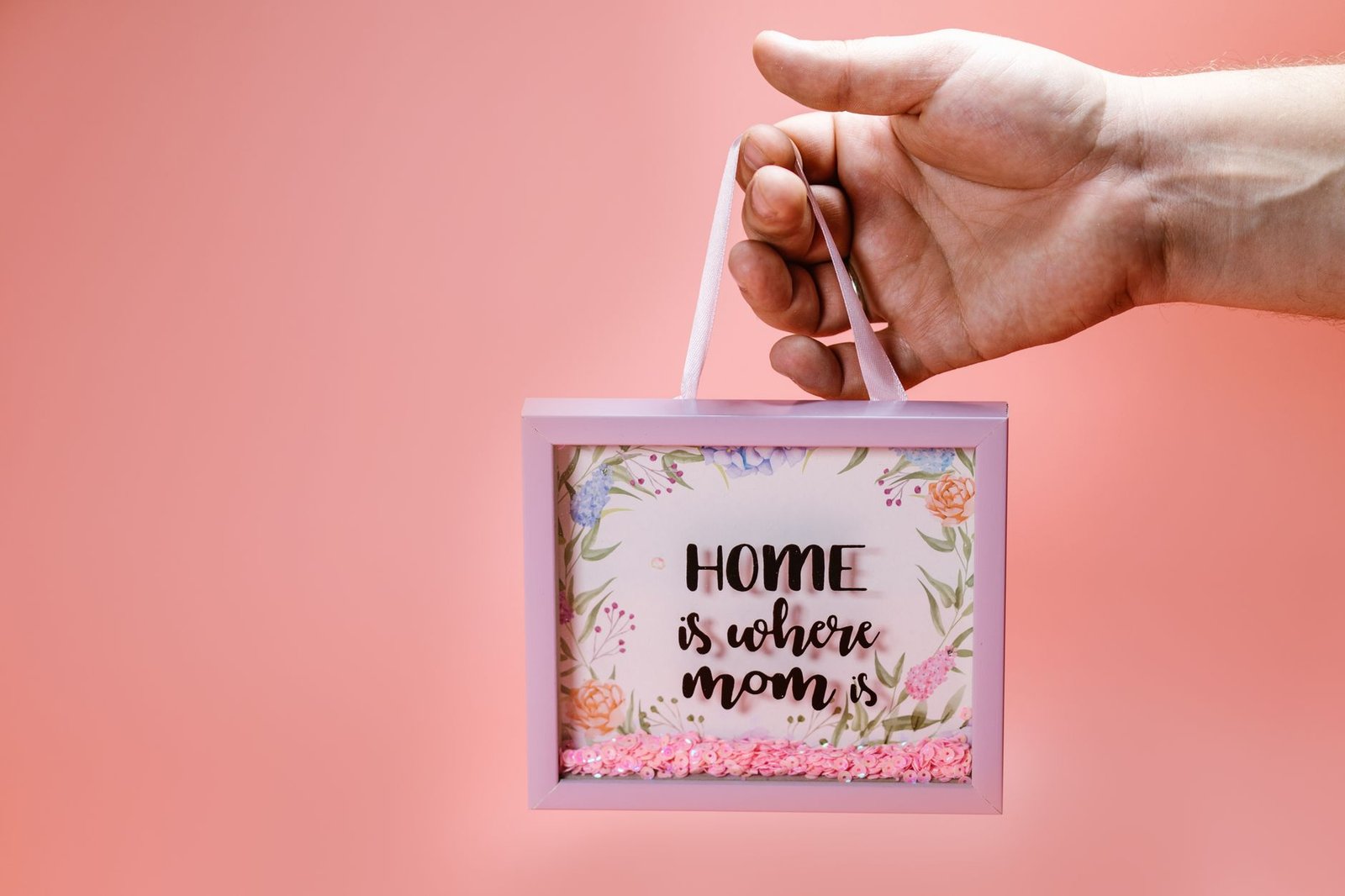
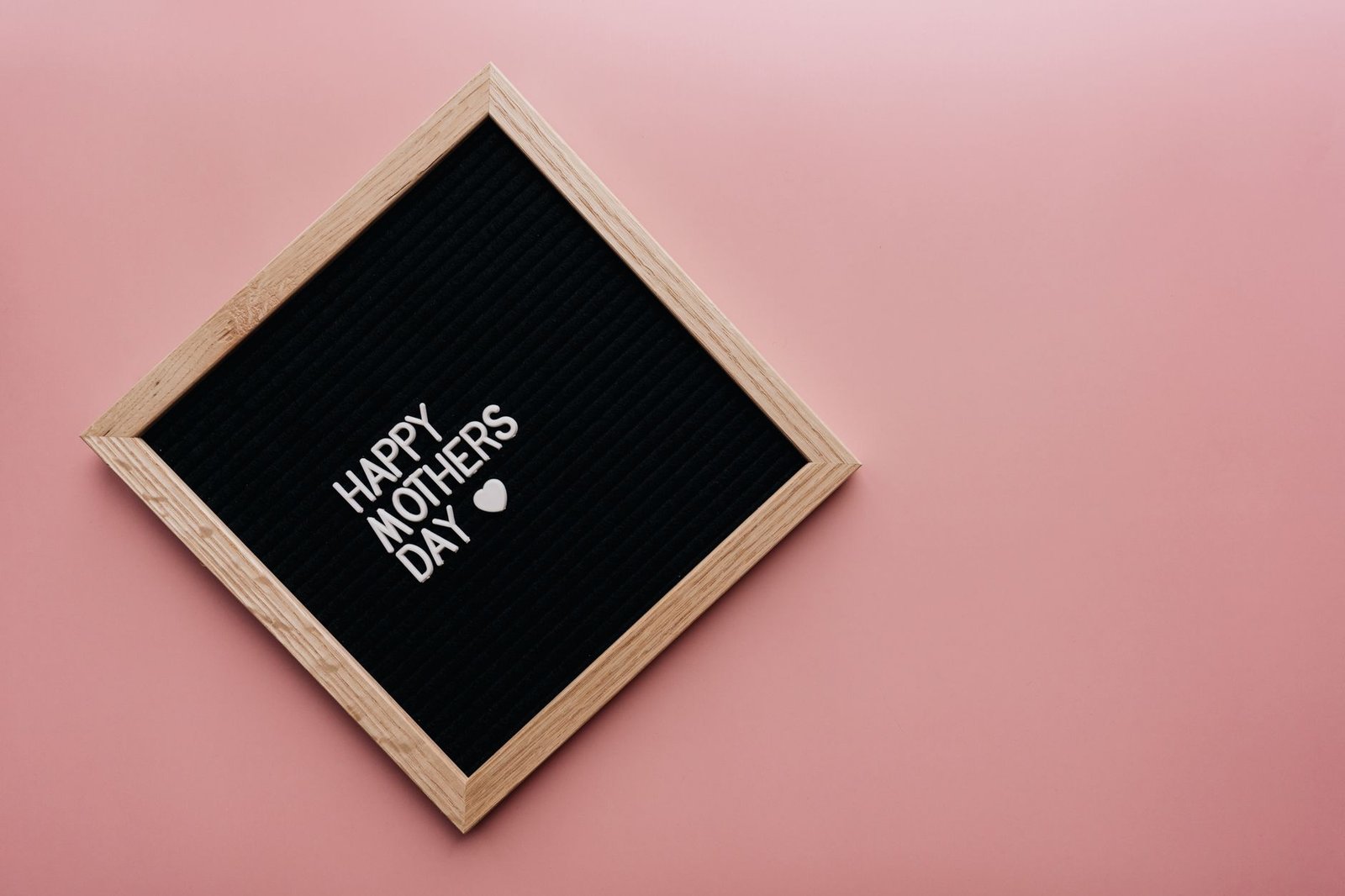
First Mother's Day Quotes: 40 Beautiful Lines for a New Mom
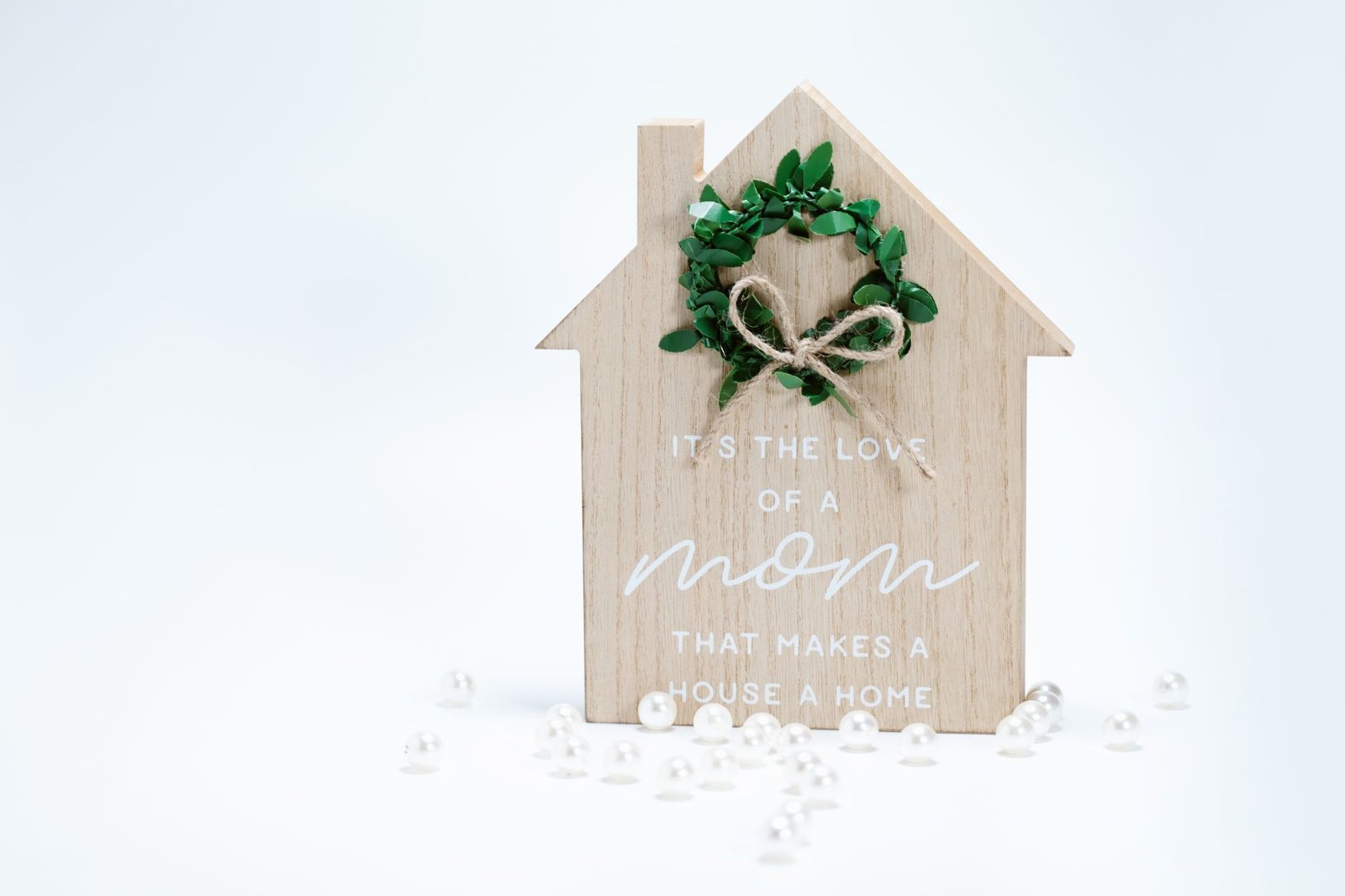
first mother's day quotes can feel simple on paper and weirdly hard in real life. You want something warm, not mushy; personal, not cheesy. Here are 40 beautiful lines for a new mum, with ideas that actually sound like a person wrote them.
Quick answer: first mother's day quotes should feel tender, specific and easy to say out loud. The best ones name the new bond, the tired but lovely reality of early motherhood, and the pride that comes with it. Pick a short line for a card, or a softer one for a caption and keep it honest.
1. Which first mother's day quotes feel warm without sounding over the top?
The sweet spot sits somewhere between “I love you” and “you’ve changed everything”. The best first mother's day quotes don’t try too hard. They sound like something you’d write in a card after a long day, with a baby monitor buzzing in the background and half a cold cup of tea on the side.
You’re probably trying to avoid the obvious trap. Too sentimental, and it feels stiff. Too plain, and it doesn’t feel special enough for her first Mother’s Day. That’s the tricky bit. You want words that hold the moment without turning it into a greeting-card cliché.
Here’s the honest answer: keep it short, warm and specific. New motherhood is full of tiny, ordinary things that mean a lot, like 5 a.m. feeds, learning a baby’s cries, or making it through a day on very little sleep. That’s where the best lines land. Not in grand speeches. In real life.
A lot of people think first Mother’s Day calls for something big. It doesn’t. A simple line that says, “You’ve already become so much to our baby” can feel miles more meaningful than a fancy paragraph. If you know her well, say what you see. If you don’t want to overdo it, keep it clean and sincere. That usually works better anyway.
And if you’re choosing words for a card, caption or gift tag, think about the mood first. Do you want gentle, proud, affectionate, or a little playful? That question helps more than you’d think. A new mum who’s been up half the night may not need poetry. She may just need recognition.
40 beautiful lines that actually sound natural
Use these as they are, or tweak them so they sound more like you. You don’t need to force every line into a formal card style. Sometimes the nicest thing is the simplest thing.
- Happy first Mother’s Day to the loveliest new mum.
- You’ve made this new chapter feel full of love.
- Watching you become a mother has been beautiful.
- Our baby couldn’t have asked for a better mum.
- You make the hard parts look full of grace.
- This little one already knows your love.
- Your first Mother’s Day, and already so much heart.
- You were made for this kind of love.
- It’s amazing how naturally you’ve stepped into motherhood.
- Our home feels different because of you.
- Every sleepless night has shown your strength.
- You’ve given our baby the safest place.
- First Mother’s Day, first of many proud moments.
- There’s so much love in the way you care.
- You’ve made motherhood look honest and beautiful.
- What a gift it is to watch you.
- Our baby’s first hero is you.
- You’ve brought softness, strength and patience together.
- Happy Mother’s Day to someone truly wonderful.
- You’re already the heart of this little family.
- The love you give shows every day.
- One tiny baby, one very loved mum.
- You’ve turned tired days into tender ones.
- Motherhood suits you in the loveliest way.
- Your love has changed everything around here.
- We see the care behind every little thing.
- First Mother’s Day, but it feels like you’ve always been a mum.
- You make ordinary moments feel special.
- Thank you for every cuddle, feed and sleepy smile.
- Your baby is lucky beyond words.
- You’ve already done something extraordinary.
- This day belongs to you.
- There’s no one else quite like you.
- You’re learning so much, and loving so well.
- Love looks different on you. Better, somehow.
- The world feels gentler with you in it.
- Happy first Mother’s Day to our beautiful mum.
- All the love starts here, with you.
- You’ve made this first year feel full of meaning.
- What a lovely beginning to motherhood.
If you’re writing for a card and want the line to feel more personal, add one concrete detail. “Thank you for every 3 a.m. feed” sounds real. “Thank you for everything you do” sounds fine, but it can drift off the page a bit. Tiny specifics carry more weight.
That’s why people often pair a short quote with a handwritten note. A single line can do the job, then your own words can do the rest. If you want more wording ideas for cards, you can also look at our first Mother’s Day captions for a slightly lighter angle.
One more thing. If the mum in your life has had a rough start, don’t pretend it’s all soft focus and baby giggles. A line that says, “You’ve handled the hardest days with so much love” feels far more human. Real motherhood has edge to it. That doesn’t spoil the sentiment. It deepens it.
How to choose the right line for the right card
Think about who’s writing the message. A partner can be more intimate. A grandparent might want something warm and proud. A friend usually does best with something affectionate and direct. The right tone depends entirely on the relationship.
For a private card, you can say things that feel a bit more emotional. For a social post, you may want something shorter and cleaner. And if you’re using one of these first mother's day quotes on a gift label, keep it tight. A long message on a candle box can look crowded fast.
Here’s a practical test. Read the line out loud. If you’d cringe saying it in a real conversation, cut it back. If it sounds like something you’d genuinely write after a night with a newborn, you’re close.
A simple example: a partner might write, “You’ve made our little world feel complete.” A sister might write, “Watching you become a mum has been the sweetest thing.” Both work, because both feel lived-in. Neither tries to do too much.
2. What do you write to a new mum who’s exhausted but glowing?
You can say the lovely thing and still admit the truth. New motherhood is beautiful, yes, but it can also be bone-tired, messy and a bit overwhelming. That’s why some of the best lines for a first Mother’s Day name both sides at once. The glow and the grit. Both are real.
If you’re standing in a shop on a Tuesday afternoon, staring at a card rack and wondering what on earth to write, you’re not alone. People freeze here because they don’t want to sound syrupy. They also don’t want to sound cold. That tension is normal.
The answer is to write like someone who knows what she’s been carrying. A new mum may be running on crumbs, broken sleep and the last of her patience, but she’s also doing something enormous. A line that sees both parts can feel deeply kind. “You’ve handled so much with such love” says more than a polished paragraph ever could.
Common mistake: trying to make everything cute. It backfires. A baby might be tiny and sweet, but the person looking after them may have cried in the bathroom five minutes earlier. If you ignore that, the message can feel shallow. If you acknowledge it gently, you sound thoughtful instead.
That’s where the tone matters. Not dramatic. Not gloomy. Just honest. Short lines work best here because they leave room for her own emotions. And honestly, that’s a relief. She’s probably not waiting for a speech.
Lines that hold the tired-and-happy reality
Some quotes should sound soft. Others should sound reassuring. A few can do both. You don’t need to pick one mood and stick to it. New motherhood doesn’t work that neatly, so your message doesn’t have to either.
Try lines like, “You’ve done something beautiful, even on the hardest days.” Or, “Your love shows up even when you’re exhausted.” Those words work because they respect the effort. They don’t brush past the difficulty.
You could also go slightly more personal. “I know these weeks haven’t been easy, but look at the love you give.” That sentence feels human because it admits the hard patch before reaching for the praise. People usually remember that kind of message.
If you want a gentler route, keep the focus on what she’s building. “Your baby will always know how loved they are” feels calm and steady. Or, “You’re making a home full of warmth” works well if you want something that isn’t too baby-centred. That’s useful when the mum in question likes quiet words more than loud praise.
And yes, sometimes humour helps. Not the joke-card kind. More like a tiny wink at reality. A line such as, “Still awake, still brilliant” can land beautifully if you know she’ll smile at it. Just don’t force it if her situation feels tender.
A real-world example from the middle of ordinary life
Picture this. You’re visiting a friend with a six-week-old baby, and she’s got one sock on, a half-eaten biscuit on the table and dark circles under her eyes. She’s also beaming when the baby finally settles. That’s the moment these quotes are made for.
You wouldn’t need a speech then. You’d hand over a card that says, “You’re doing better than you think, and you’re already such a lovely mum.” Simple. Honest. No nonsense. She’d probably read it later, when the house is quiet, and feel seen.
That’s also why the best first Mother’s Day messages don’t try to solve anything. They just name what’s true. If she’s had a rough pregnancy, a difficult birth or a messy start to feeding, you can still write something kind without pretending it all vanished. A gentle acknowledgement goes a long way.
One more useful thought. If you want words that carry that same mix of strength and tenderness, our What Makes a Strong Mother? The Honest Answer piece has a similar feel. And if you’re after a whole set of lines about care, family and feeling grounded, have a look at Quotes About Motherhood & Family.
For a card, one good line beats five average ones. You can always add your own closing. “We’re proud of you” or “She’s lucky to have you” does the rest. That keeps the note personal without turning it into a wall of text.
3. How do you make a caption or card message sound personal?
Start with one real detail. Not a slogan. A detail. Maybe it’s the way she hums to the baby, the fact she still hasn’t finished a hot cup of tea, or how she somehow knows the difference between three different cries. That’s the stuff that makes a message feel like it belongs to her, not just to any new mum.
People often think “personal” means longer. It doesn’t. A short line with one real touchpoint usually beats a polished paragraph. If you’re writing for social media, this matters even more because people skim. A caption that feels honest will land better than one that sounds posed.
Try this structure: a warm opening, one specific observation, then a simple finish. For example, “Happy first Mother’s Day. The way you hold our baby, the way you keep going when you’re tired, the way you love so deeply, it all means so much.” That reads like a person, not a template.
If you’re making a card for a partner,
What should you write if you want it to feel like you, not a greeting-card aisle?
Keep it plain and honest. You don’t need a polished speech, and you definitely don’t need to sound like you found the perfect line in a shop at the last minute. The best message usually names something real, says thank you, and leaves space for the feelings already sitting there. That’s what makes it land.
A lot of people think they need to write something grand for a first Mother’s Day. They don’t. A small, specific line often feels better than a fancy one, especially if you’re writing to your partner, your sister, or a friend who’s just getting through each day with a baby attached to her chest. Real life beats perfect wording.
Think about the tiny things she’s doing without fuss. The midnight feeds. The pram parking battle outside the café. The way she still looks after everyone else when she’s running on empty. If your message points to those details, it’ll sound personal straight away.
Try not to write like you’re delivering a speech at a wedding. Most new mums don’t want grandeur. They want recognition. They want to feel seen for the invisible work, the patience, the sheer amount of effort it takes to keep a tiny person alive while barely drinking a hot cup of tea.
Short lines can do the job beautifully. “You’re doing better than you think.” “Our baby already knows your voice.” “Watching you become a mum has been something else.” Simple. True. No awkward polishing required.
And if you’re stuck, ask yourself a blunt question: what do I actually admire about her today? Not in theory. Today. Maybe it’s the way she stayed calm through a screaming nappy change, or the way she still smiled when the baby only slept for twenty minutes. That answer usually gives you the line you need.
There’s also room for warmth without fluff. You can be tender and still sound like a normal human being. “You make this look easier than it is” says a lot, and it doesn’t overdo it. “We’re lucky to have you” works too, especially when you want something that feels genuine in a card or caption.
One practical trick: read your message out loud. If it sounds like something you’d actually say over the kitchen table, you’re close. If it sounds stiff, theatrical, or oddly formal, strip it back and try again.
Concrete example? If your partner’s first Mother’s Day starts with cold coffee, a baby who wakes after each nap, and a birthday card from the cat on the table, write: “Happy first Mother’s Day. You’ve taken on so much with such kindness, and I’m proud of you every day.” That feels human because it names the day she’s actually having, not some glossy version of it.
When is a short quote better than a long message?
Usually when the card is small, the caption needs to be punchy, or you know the person hates big emotional declarations. A short message can feel sharper and more affectionate than a long block of text, especially if you’re writing on the back of a gift tag or under a photo on Instagram. Brevity isn’t laziness. Sometimes it’s restraint.
That said, short doesn’t mean flat. You still want warmth, and you still want a clear thought. “You’ve been amazing” is fine, but “You’ve been amazing, even on no sleep and little patience” feels more alive. A tiny bit of detail makes all the difference.
If you’re unsure, start with one feeling and one fact. Feeling: proud, grateful, lucky, amazed. Fact: she’s feeding at 2am, carrying the baby in one arm, learning as she goes. Put them together and you’ve got something that sounds like a person wrote it. Not a machine. Not a slogan.
And if you’re writing for social media, remember that people read captions fast. A single strong sentence often gets more response than three gushy lines that blur together. “First Mother’s Day, and you’re already doing an incredible job” is enough on its own.
In practice, people often over-edit until the message loses its nerve. They take out the exact detail, then the emotion, then half the personality. What’s left sounds safe, but it doesn’t sound warm.
How do you write for a partner, sister, or friend without sounding the same?
Match the relationship, not just the occasion. A message to your partner can be more intimate and personal, while a note to your sister or friend can be affectionate, proud, and a bit lighter. The trick is to think about what you’d naturally say to her face. That usually gives you the right tone faster than any list of templates.
For a partner, you can be more direct about what you’ve seen. “I’ve watched you grow into motherhood with so much love” feels close and natural. For a sister, you might lean into shared history, like how odd and lovely it feels to see her with her baby. For a friend, a warm, cheering line can be enough, especially if she’s had a rough pregnancy or a tough birth and needs kindness more than poetry.
The mistake people make is sounding identical across every relationship. Same sentence. Same tone. Same safe little flourish. But the person reading it knows you better than that. She can tell when you’ve written something generic in a hurry, and she can tell when you’ve thought about her properly.
With a partner, you might mention the practical things she does that no one else sees. The hospital bag packed twice. The endless nappy changes. The way she keeps the house moving when everything feels upside down. That sort of detail feels intimate because it comes from living it together.
With a sister, you can nod to family history. “I’ve known you a long time, and I’ve never admired you more” carries weight because it places motherhood inside a bigger story. It says you’ve seen her before this baby, and you’ve seen what she’s become now.
Friend messages often work best when they’re encouraging but not overly formal. “You’re already smashing it, even when it feels messy” sounds like someone who knows her well enough to be honest. That honesty matters. New motherhood is messy. No point pretending otherwise.
There’s also a line between supportive and overbearing. You don’t need to explain how she should feel, or tell her she’s blooming if she’s actually exhausted and covered in muslin cloths. If you’re not sure, stick to admiration and reassurance. That’s usually safer than trying to sound wise.
Try this test. If you swapped her name for another person’s, would the message still work? If yes, it’s too generic. Add one shared detail, one memory, or one tiny nod to her personality, and suddenly it belongs to her.
For example, to a sister: “Happy first Mother’s Day, Em. I’ve seen you juggle feeds, tears, and a hundred tiny worries, and you’re still the same brilliant you underneath it all.” To a partner: “Watching you become a mum has been beautiful, and I don’t say that lightly. You’re steady, loving, and far stronger than you give yourself credit for.”
How can you make the line sound heartfelt when you’re writing it in a rush?
Use one true detail and stop there. If you’ve only got ten minutes before the card goes in the gift bag, don’t panic and start stacking on fancy words. Pick one thing she’s done, one thing you feel, and one plain sentence. That’s enough. A rushed message often sounds better when you leave it uncluttered.
People often assume they need to write more when they’re short on time. Actually, the opposite usually helps. The more tired and hurried you are, the more likely you are to write something bloated or oddly formal. A clean line, written quickly, can feel far more sincere.
Start with the thing that made you stop and smile. Maybe it was the baby asleep on her shoulder. Maybe it was how she laughed through the chaos in the kitchen. Maybe it was the fact she remembered everyone else’s plans while still carrying a whole new life on hardly any sleep. Pick that. Build from there.
If you want it to sound heartfelt, keep the sentence active and specific. “You’ve cared for our baby with so much patience” sounds warmer than “Your care is appreciated.” One sounds like a person speaking. The other sounds like a notice pinned to a staff room wall.
And don’t worry if the message isn’t perfectly balanced. Real notes rarely are. Some are a bit awkward. Some end abruptly. Some have a crossed-out word or a coffee ring on the corner. That’s life. It still counts, and often it feels more real because of it.
When you’re in a hurry, avoid trying to be clever. Cute wordplay can go wrong fast, especially if you’re half-distracted and the baby’s crying in the background. Say the thing plainly. “Happy first Mother’s Day. You’re doing an amazing job, and I love seeing the way you care for our baby” has more heart than a forced rhyme ever will.
There’s also nothing wrong with borrowing structure from a simple pattern: greeting, feeling, detail. “Happy first Mother’s Day. I’m so proud of you for everything you’ve done for our little one, and I’ll never forget how much love you bring into this house.” Clean. Direct. Easy to personalise.
Concrete example? You’re at the kitchen table with a card, the baby monitor on, and the house finally quiet for once. You write: “Happy first Mother’s Day. I know it hasn’t been easy, but you’ve shown so much love and strength, and our baby is so lucky to have you.” That message works because it sounds like someone who’s actually been there.
7. How do you choose a message that feels warm without tipping into mushy?
The sweet spot is usually simple warmth with one honest detail. You don’t need to pile on praise or write something that sounds like a perfume ad. A good line says what you mean, keeps its feet on the ground, and leaves room for the day she’s actually having. If she’s still learning how to feed, soothe, nap, and eat before her tea goes cold, that honesty matters.
Think about the tone first. If your relationship is close and relaxed, a softer line works better than anything grand. If you’re writing in a card for someone you don’t know as well, keep it kind and direct. The mistake people make is thinking “special” means “dramatic”. Usually it doesn’t. It means the words sound like they came from someone who’s noticed her, not from a stock message machine at the till.
And don’t feel you need to mention every part of motherhood in one sentence. That’s where things start to wobble. One small truth beats three overblown ones every time. “You’ve brought so much love into this year” lands better than a string of giant claims, because it feels grounded. A first Mother’s Day quote should hold the feeling, not smother it.
A simple test helps
Read the line out loud. If you’d never say it to her in real life, cut it back. If it sounds like a speech at a wedding reception, trim it again. You’re aiming for the sort of thing you might say while passing her a mug of tea at 7am, with one baby sock missing and the washing machine already on the blink.
People often worry that plain words sound lazy. They don’t. Plain words can sound far more sincere, especially when you’re writing about something emotional. “Happy first Mother’s Day. You’ve done brilliantly” can carry real weight because it doesn’t overreach. If you want a little more feeling, add one concrete detail, like how gently she holds the baby or how patient she’s been during those messy early weeks.
Here’s the key point. Warmth comes from recognition, not volume. The more the message reflects her actual life, the better it lands.
For example, if she’s been up half the night for weeks, you could write: “Happy first Mother’s Day. You’ve taken on so much with so much tenderness, and even on the hardest days you’ve kept going with love.” That feels human because it names the effort without dressing it up.
8. What makes a first Mother’s Day line feel personal instead of copied from somewhere else?
The best messages usually carry one thing only you would know. Maybe it’s the way she still answers the baby’s little noises before anyone else wakes up. Maybe it’s the story of the first pram walk in the rain, or the tiny outfit she was absurdly pleased to get on the baby without a meltdown. That kind of detail makes the message feel lived-in. And yes, it’s the detail that stops it sounding copied.
You don’t need a long backstory. One small reference can do all the work. A personal line often works because it feels like you’ve looked at the actual year she’s had, not a generic version of it. If she’s your partner, you can write about the nights, the feeds, the way she kept everyone going. If she’s your sister or friend, you can mention the wobble before the birth, the first cuddle, or the weirdly emotional moment when the baby finally settled in her arms.
That said, personal doesn’t mean private in a way that makes her blush for the wrong reasons. Keep it affectionate, not embarrassing. If you’re unsure, ask yourself whether she’d smile at the line in front of other people. If the answer’s no, dial it back. A good message feels specific, but it still needs a bit of breathing room.
Use one real memory, not five
This is where a lot of people overdo it. They try to squeeze in the hospital visit, the first photo, the sleepless week, the baby’s surname debate, and the first bath. Too much. It starts to feel crowded. Choose the detail that carries the most feeling, then build the message around that one moment.
Maybe you’re writing a card for a friend who cried when she heard the baby’s heartbeat for the first time. Maybe you’re sending a text to your sister after a chaotic family lunch where the baby slept through pudding. One real memory gives the line shape. Without it, the message can slide into general niceness, and that’s exactly what you’re trying to avoid.
And if you’re writing in a rush, don’t pretend you’re not. Simplicity can still sound personal when you anchor it in something true. That’s the trick.
For example: “Happy first Mother’s Day. I’ll never forget how calm you were holding her after that chaotic first week, even when none of the rest of us knew what we were doing.” That sentence feels personal because it names a real moment and a real reaction.
9. What should you write when you’ve got five minutes, no card draft, and a lot to say?
Start with the clearest feeling you’ve got, then stop fussing. When you’re short on time, the pressure usually makes people write too much, then delete half of it, then panic and start again. You don’t need that. A rushed message works best when it’s clean, specific, and free of decoration. Say happy first Mother’s Day, say what you admire, then land the line with one honest sentence.
The hardest part is usually deciding what to leave out. That’s normal. You might want to say she’s amazing, brave, beautiful, funny, exhausted, and somehow still upright. Fair enough. But if you try to cram all of that in, the message loses shape. Pick the strongest two or three ideas. A quick note can still feel thoughtful if each word earns its place. No filler. No waffle. Just the stuff that matters.
And if you’re writing on your phone while the kettle boils or the baby monitor crackles in the background, don’t aim for poetry. Aim for sincerity. People remember whether a message felt real. They don’t sit there counting adjectives.
A fast formula that actually works
Try this shape: greeting, one personal observation, one feeling, one closing line. It sounds almost too plain, but it’s far easier to get right when time’s tight. “Happy first Mother’s Day. You’ve been so patient and loving with the baby, and it’s lovely to see. We’re lucky to have you.” That’s enough for most cards, texts, and captions. Short. Warm. No awkward stretching.
If you’re writing for a partner, you can make it a little more intimate. If you’re writing for a friend, keep it friendly and bright. If you’re writing for your own mum on behalf of the baby, the message can be gentler and more grateful. The structure stays the same, but the tone shifts with the relationship. That’s where a rushed note either shines or falls flat.
One common mistake is adding a joke when the rest of the message is serious. Sometimes that works. Sometimes it jars. If you’re not sure, skip the joke. A halfhearted gag in the middle of a heartfelt note feels worse than a plain sentence ever will.
Example: “Happy first Mother’s Day. You’ve taken on this new role with so much love, and even on the tiring days you make it look full of heart. We’re all so proud of you.” You can write that in under a minute, and it still sounds like a real person meant it.
Frequently asked questions
What should I write in a first Mother’s Day card?
Keep it warm, simple, and personal. A first Mother’s Day card works best when you mention something real, like how she’s handled the night feeds, the endless nappies, or the way she’s still smiling through it all. A short line of praise can mean more than a polished paragraph. Honest beats fancy every time.
Are first Mother’s Day quotes better than a long message?
Sometimes, yes. A quote can give you the opening line or the main sentiment, especially if you freeze up when you’re staring at a blank card. But a quote on its own can feel a bit thin. Add one personal sentence, even if it’s tiny, and it’ll sound much more heartfelt.
Can I use a funny quote for a first Mother’s Day?
Absolutely, if that suits her. Some people want a sweet message, while others will laugh at a line about surviving on cold tea and broken sleep. The trick is knowing her tone. If she’s exhausted and needs cheering up, light humour can land beautifully. If she’s more sentimental, keep the joke gentle.
How long should a Mother’s Day message be?
Short is fine. A few well-chosen lines can feel more natural than a long speech that starts to wander. If you’re writing in a card, 20 to 40 words often does the job. If you’re sending a text or posting online, even one strong sentence can say everything you mean without sounding forced.
What if I’m writing for my partner’s first Mother’s Day?
Talk about what you’ve noticed. Maybe she’s been running on very little sleep, maybe she’s calmer than you expected, or maybe she’s made a hard week feel softer. That sort of detail matters. You don’t need perfect wording. You just need to show that you’ve been paying attention, which usually says more than any fancy quote.
Final thoughts
When you’re choosing first mother’s day quotes, keep three things in mind: make it personal, keep it readable, and match the tone to the person you’re writing for. A sweet line can work brilliantly. So can something funny or plainspoken, if that sounds like her. Don’t overthink the perfect wording. The feeling behind it matters more.
Pick one quote, add one real detail from her week, and write it out today before you forget. That’s usually enough to make the card feel genuine.